Table Of Contents
Tools and Technologies for Web Developers
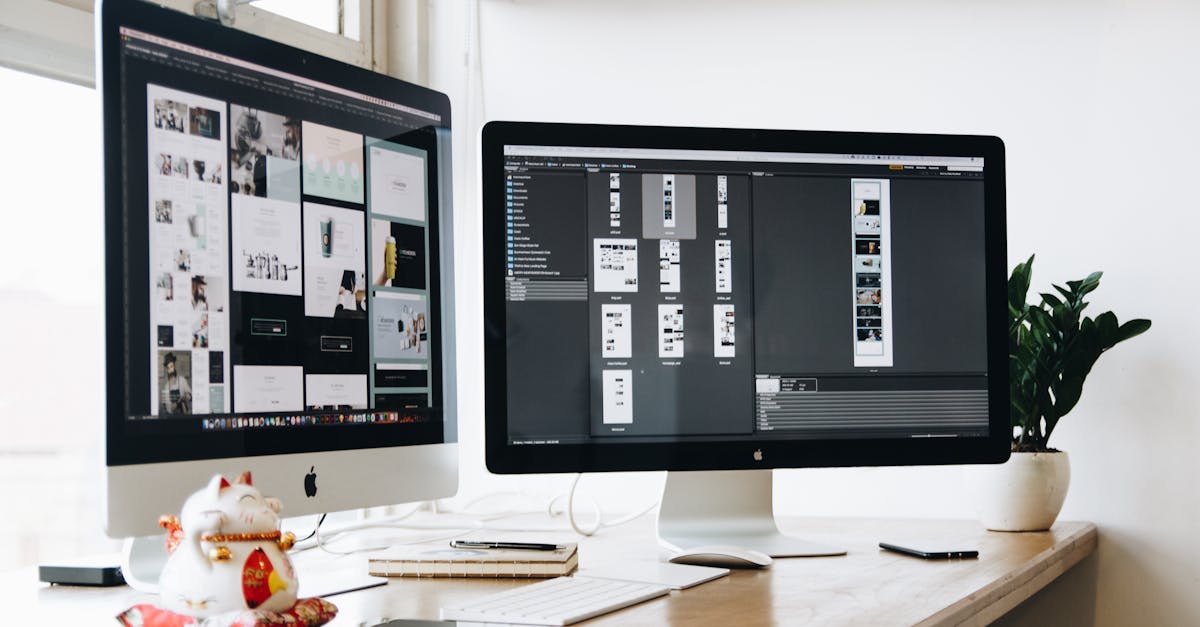
Web developers rely on a myriad of tools and technologies to build and maintain functional websites. Essential programming languages like HTML, CSS, and JavaScript serve as the backbone of web design and development. Frameworks such as React, Angular, and Vue.js streamline the creation process, allowing developers to enhance user experiences with dynamic features. Server-side technologies, including Node.js and PHP, enable seamless interactions with databases, facilitating the storage and retrieval of information essential for many websites.
In addition to programming languages, web developers utilize various Integrated Development Environments (IDEs) and text editors to streamline their coding processes. Tools like Visual Studio Code, Sublime Text, and Atom offer features such as syntax highlighting, code completion, and debugging capabilities that enhance productivity. Version control systems like Git allow developers to track changes and collaborate efficiently on projects. By leveraging these tools, web design and development professionals can create not only visually appealing sites but also robust applications that meet users' ever-evolving needs.
Common Software and Frameworks
Web Design and Development relies heavily on a variety of software and frameworks that streamline the process. Popular programming languages such as HTML, CSS, and JavaScript are foundational to the creation of websites. Frameworks like React, Angular, and Vue.js allow developers to build more dynamic and interactive user interfaces efficiently. For back-end development, tools like Node.js, Ruby on Rails, and Django provide robust environments for building web applications.
Many web developers also utilize content management systems (CMS) such as WordPress and Joomla, making it easier to manage website content without extensive coding knowledge. These systems come with plugins and themes that enhance functionality and design, further bridging the gap between web design and development. Familiarity with version control systems like Git is essential for collaboration, enabling developers to track changes and work seamlessly with others on projects.
Tools and Technologies for Web Designers
Web designers utilize a variety of tools and technologies to create visually appealing and user-friendly interfaces. Software like Adobe XD, Sketch, and Figma are widely used for designing layouts and crafting prototypes. These platforms facilitate collaboration, allowing designers to gather feedback and iterate quickly. Additionally, knowledge of typography and color theory is essential, as it helps in creating designs that not only look good but also enhance user experience in web design and development.
Incorporating web technologies such as HTML, CSS, and JavaScript is crucial for designers who want to understand the technical aspects of their creations. Familiarity with these coding languages can bridge the gap between design and development, enabling designers to communicate effectively with developers. This understanding ensures that the visual elements are not only appealing but also functional within the constraints of web design and development.
Popular Design Software and Prototyping Tools
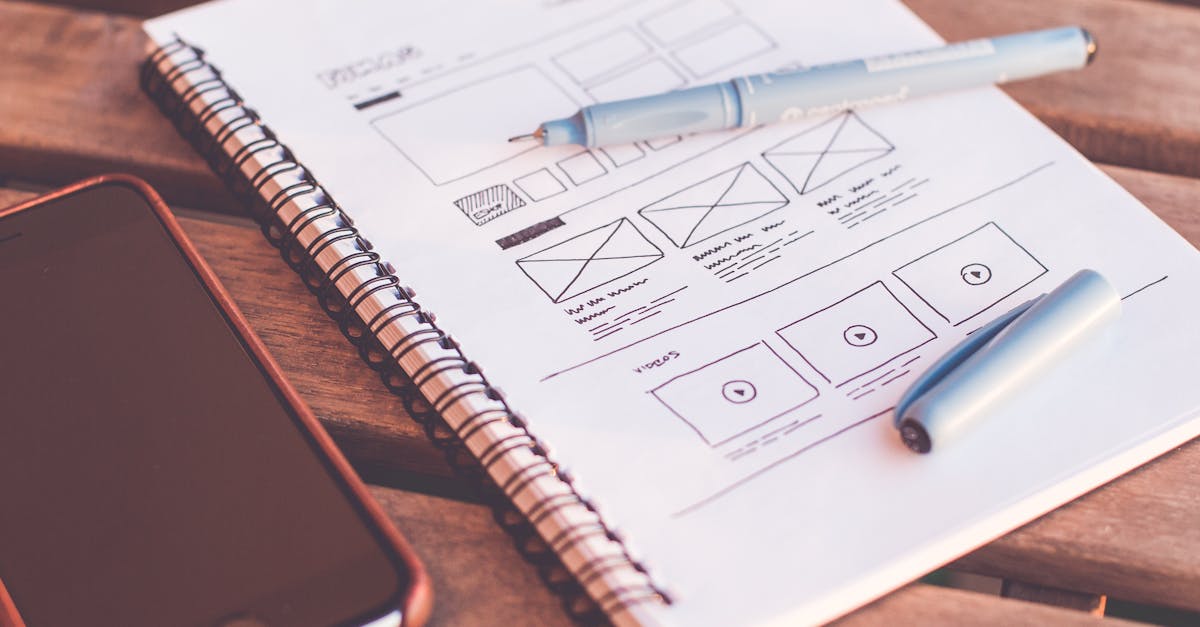
Designers in the field of Web Design and Development utilize various software to create visually appealing and functional layouts. Adobe XD stands out as a favorite for its capabilities in vector-based design and its efficient prototyping features. It allows designers to create wireframes and high-fidelity mockups that closely resemble the final product, providing a clear vision for both the design and development teams. Other tools like Figma and Sketch facilitate real-time collaboration, enabling teams to work together seamlessly during the design process.
Prototyping tools play a crucial role in refining the user experience before final development begins. InVision and Axure are popular choices that allow designers to create interactive prototypes, helping stakeholders visualize how users will navigate through a site. These tools bridge the gap between design and implementation, ensuring that the transition from Web Design and Development to execution is smooth and aligned with the initial vision. Their ability to gather feedback early in the design process minimizes adjustments needed later on and ultimately enhances the overall quality of the web product.
The Importance of Collaboration
Collaboration plays a crucial role in the fields of web design and development. Designers and developers often possess different skill sets, emphasizing the need for teamwork to create cohesive and effective websites. An open line of communication allows for the integration of design aesthetics with technical functionality, ensuring that both the visual appeal and user experience are prioritized. This collaborative approach leads to innovative solutions that might not emerge when working in isolation.
Working together facilitates a better understanding of each other's processes and challenges. Designers gain insights into the limitations and possibilities of coding, while developers can appreciate the importance of design principles. By aligning their goals and sharing feedback throughout the project, teams enhance not only their work quality but also foster a more productive and harmonious working environment. In the fast-paced world of web design and development, this synergy is essential for meeting clients' expectations and delivering outstanding results.
Working Together to Achieve Goals
Collaboration between web developers and designers is crucial for creating a seamless online experience. Each role contributes distinct skills and perspectives. While designers focus on aesthetics and user experience, developers bring technical knowledge to bring those designs to life. Effective communication ensures that the visions align, leading to a cohesive final product that meets both functional and visual expectations. Regular meetings and shared tools help keep everyone on the same page.
In Web Design and Development, integrating feedback is essential for refining the project. Designers may need to adjust their concepts based on the developer’s insights into technical limitations or opportunities. Similarly, developers benefit from understanding the design objectives to ensure their work enhances the user experience. This synergy fosters an environment where innovative solutions can flourish, ultimately resulting in a successful website that engages users effectively.
FAQS
What is the primary role of a web developer?
A web developer is responsible for building and maintaining websites by writing code, implementing functionality, and ensuring that the site performs well across different devices and browsers.
How does a web designer differ from a web developer?
A web designer focuses on the visual aspects of a website, including layout, color schemes, and user experience, while a web developer focuses on the technical implementation of the website's functionality.
What tools do web developers commonly use?
Web developers commonly use programming languages like HTML, CSS, and JavaScript, along with frameworks such as React, Angular, and back-end technologies like Node.js or PHP.
What are some popular design software tools used by web designers?
Web designers often use tools like Adobe XD, Sketch, Figma, and InVision for creating designs and prototypes.
Why is collaboration important between web developers and designers?
Collaboration is crucial because it ensures that both the aesthetic and functional elements of a website are aligned, leading to a cohesive final product that meets user needs and business objectives.